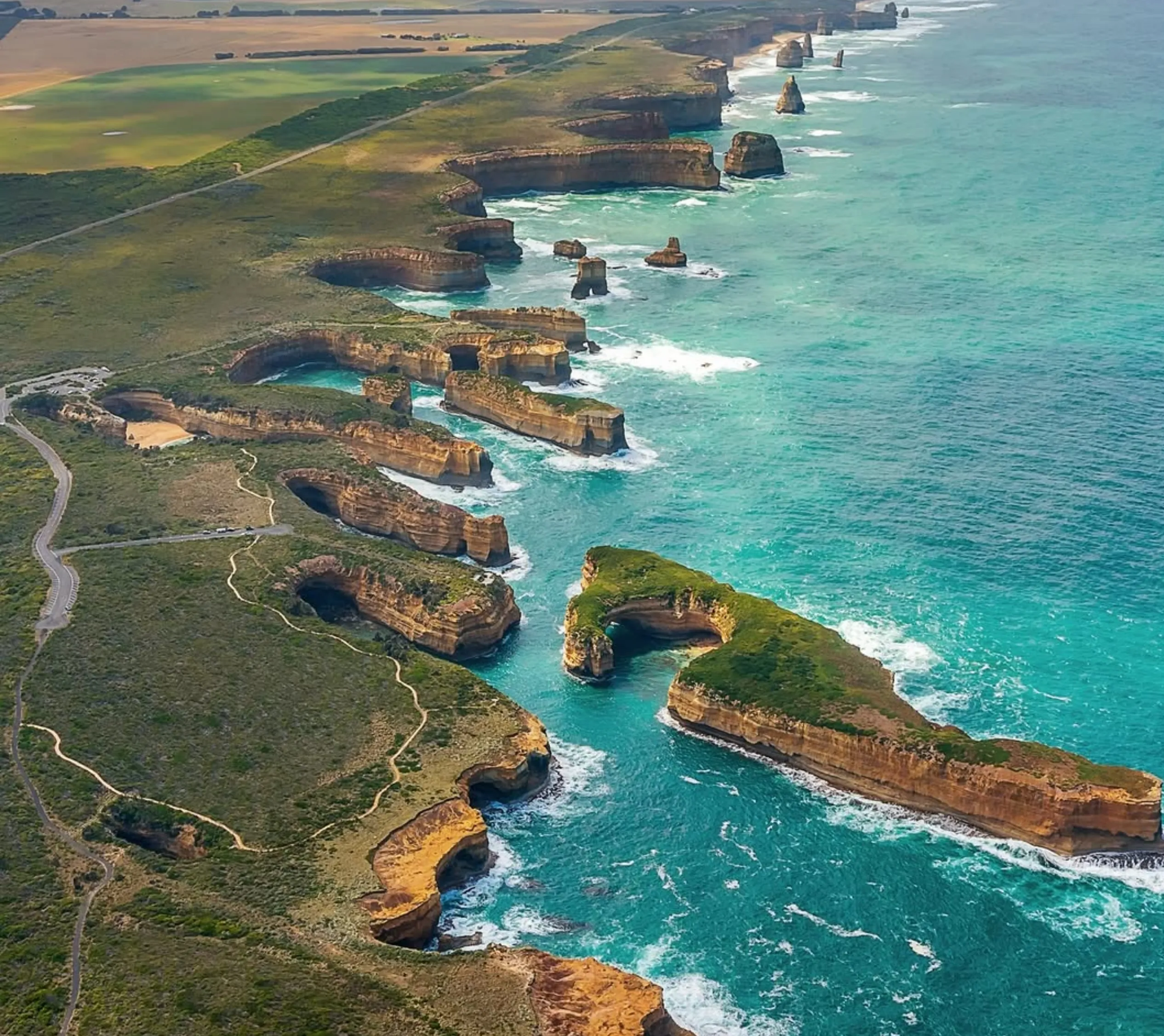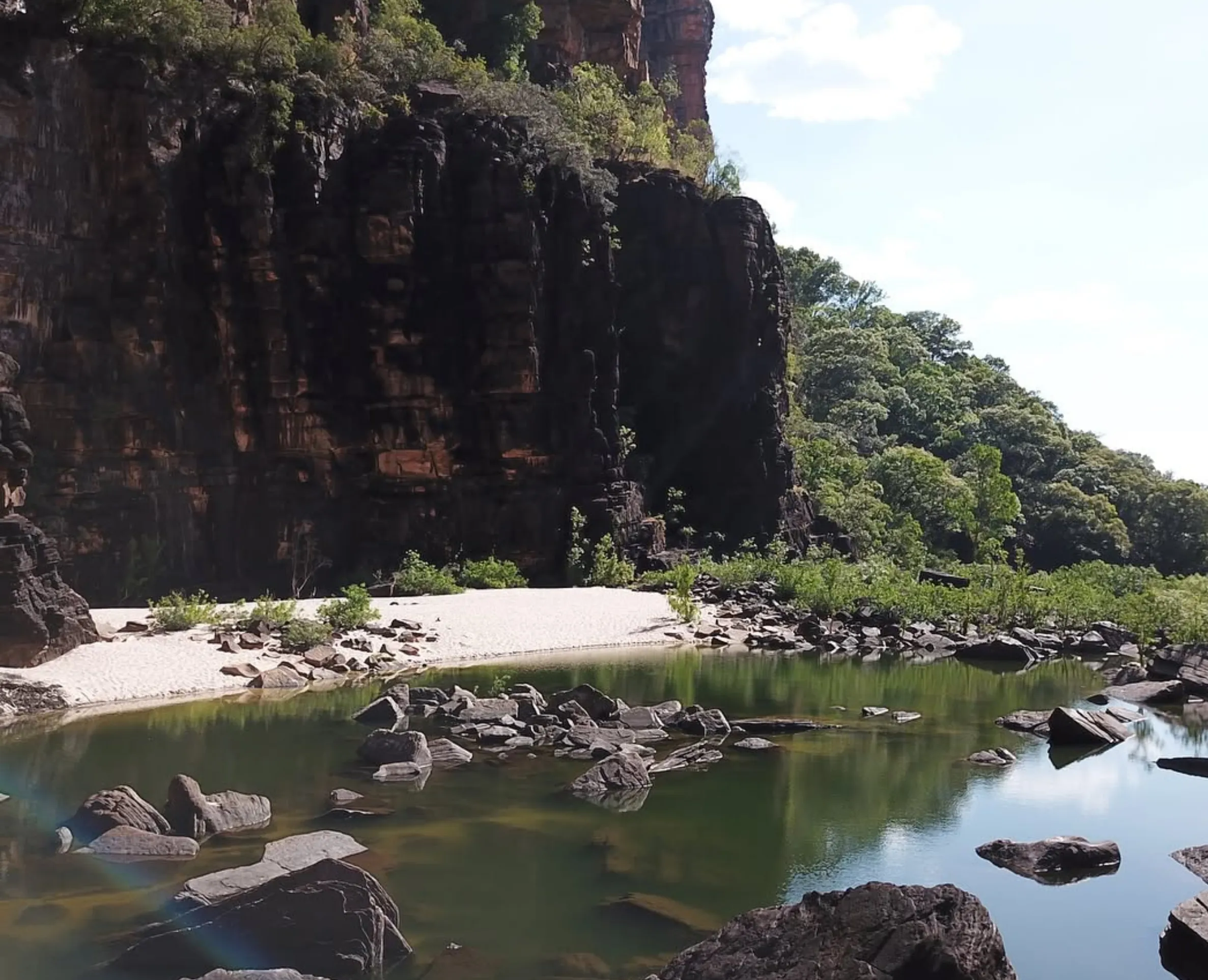
Kakadu National Park in the Northern Territory of Australia is one of the most beautiful and ecologically diverse places in the country. Spanning almost 20,000 square kilometres it is home to a multitude of ecosystems, ancient Aboriginal rock art and an incredible array of wildlife. So is Kakadu National Park man made?
Not Man Made
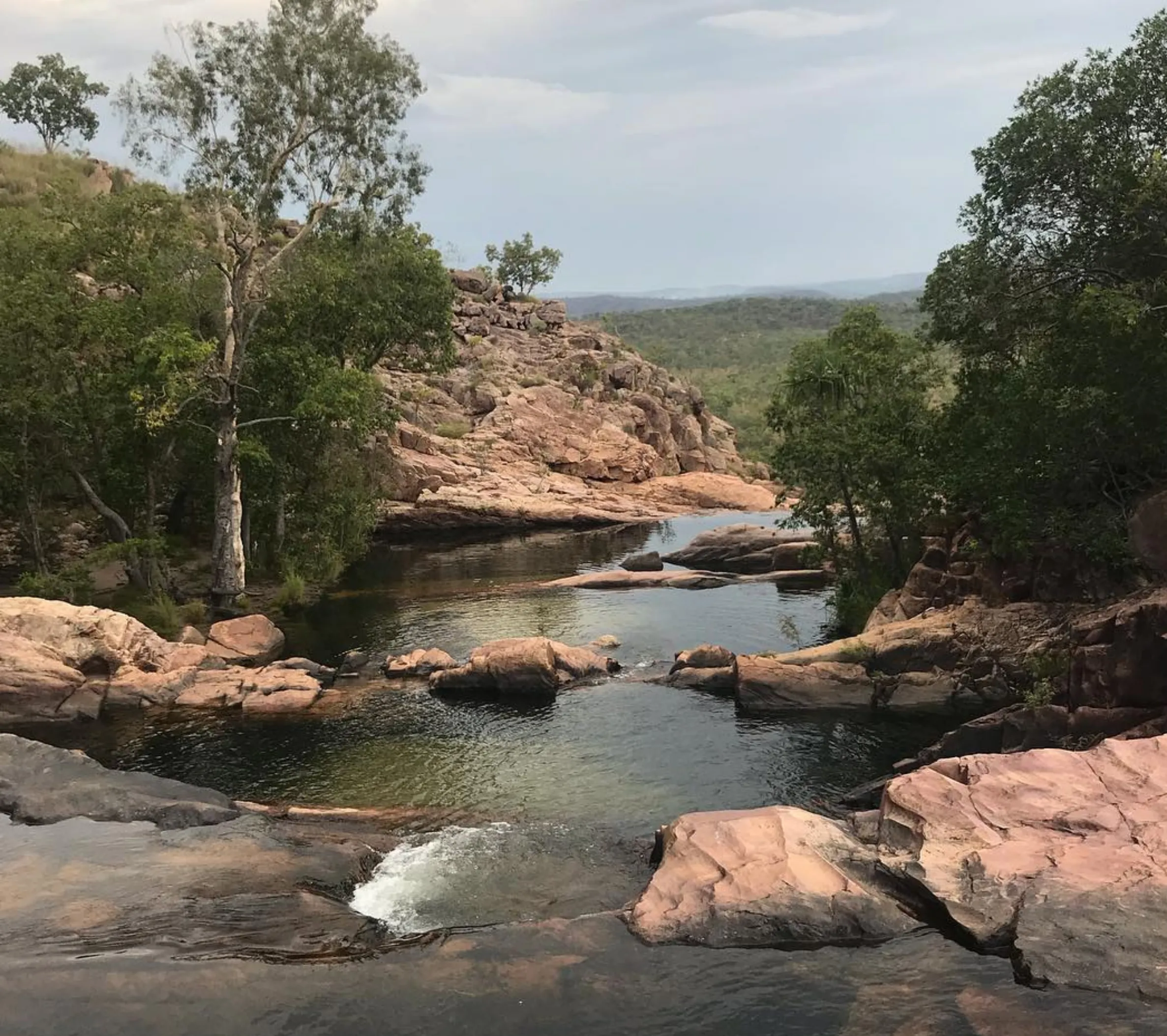
Kakadu National Park is not man made. It’s a natural landscape that has evolved over millions of years. The park has dramatic escarpments, floodplains, wetlands and monsoon forests that have been shaped by geological processes and climate change over time. The Arnhem Land escarpment is one of the park’s biggest features and one of the reasons the landscape and environments are so intact.
The area is rich in biodiversity with over 2000 plant species, 280 Australian bird species and many land mammals, reptiles, amphibians and fish species. It has vast river systems such as the South Alligator River, East Alligator River and Adelaide River that are critical to the ecosystem. The wetlands and tidal flats of Kakadu including the Yellow Water Billabong are home to icons such as saltwater crocodiles and Magpie Geese.
Many visitors choose a Kakadu National Park tour to see the vast landscapes from waterfalls to cultural sites with ancient Aboriginal rock paintings.
Aboriginal Influence and Significance
Even though the park itself isn’t man-made, it has been shaped and looked after by the Aboriginal people for over 65,000 years. The Bininj/Mungguy people, the traditional custodians of Kakadu, have lived in this area for tens of thousands of years, managing the land through cultural practices such as controlled burning and rock art.
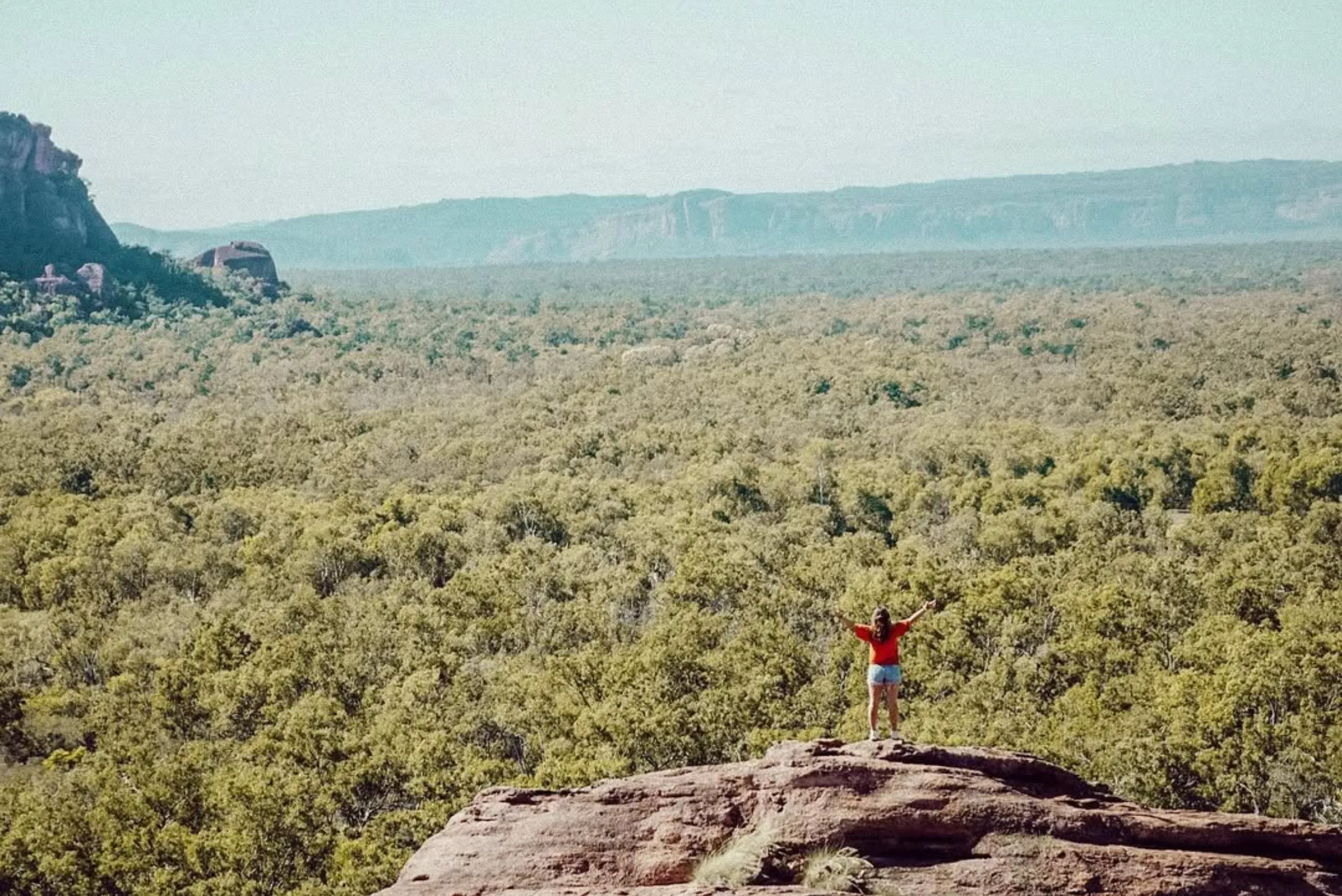
Kakadu is home to some of the oldest Aboriginal rock paintings and carvings in the world, dating back at least 20,000 years. Notable sites like Nourlangie Rock and Anbangbang Billabong hold an outstanding record of human interaction with the environment. These paintings tell stories of creation, hunting practices and spiritual beliefs. Aboriginal land management techniques like fire-stick farming have helped sustain the ecosystem, making the land a unique example of human and nature.
For those based in Darwin, Darwin Day Trips to Kakadu are a great way to see the park’s history and scenery in a day.
UNESCO World Heritage Site
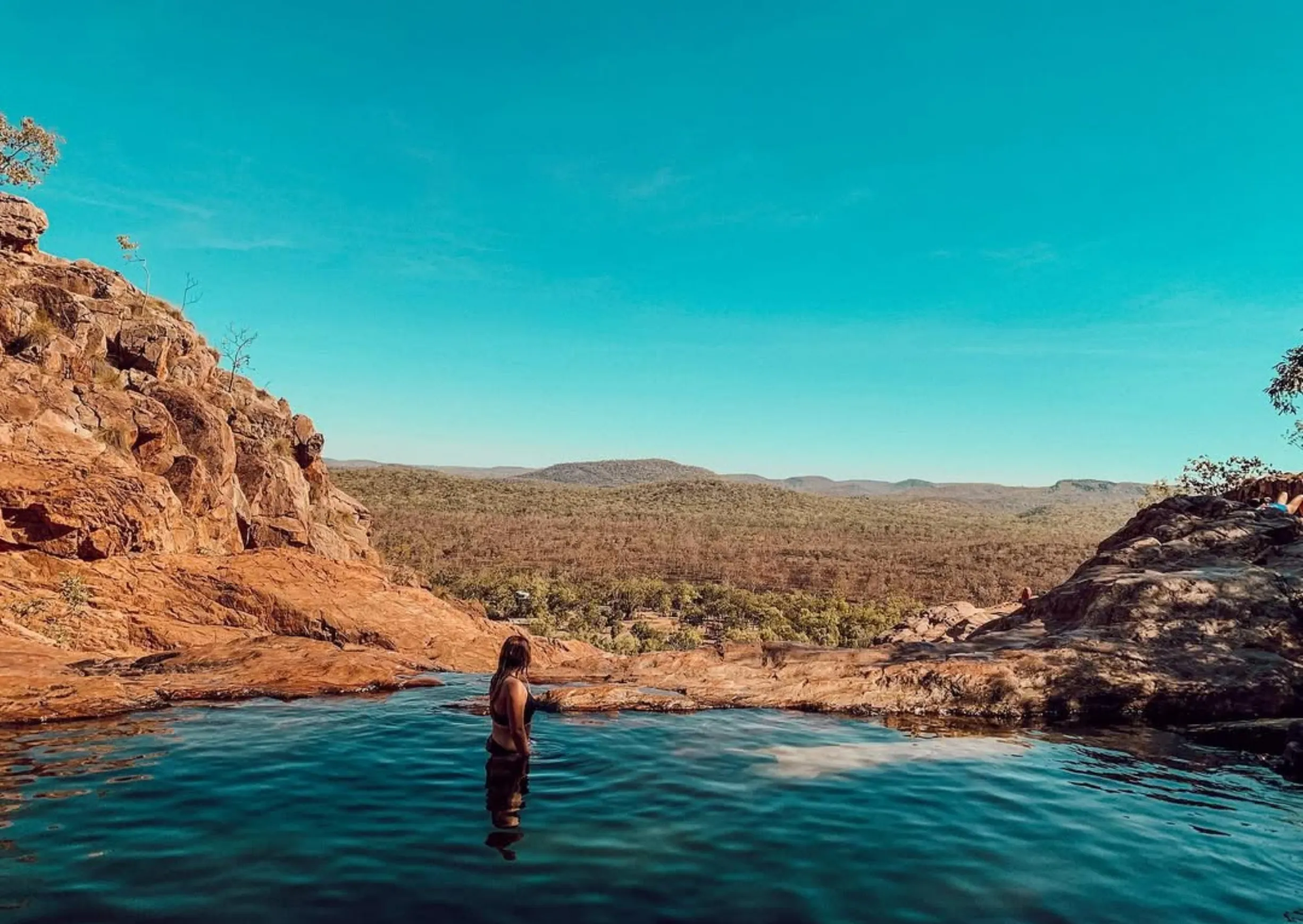
Kakadu National Park was declared a UNESCO World Heritage Site in 1981 for both its natural and cultural values. The park’s ecological value combined with its deep Aboriginal heritage makes it a globally important conservation area. Kakadu is managed by Parks Australia in collaboration with national park managers and Indigenous people to ensure ongoing protection of the park.
The park’s historical records show European settlement, including small mining camps and crocodile hunting in the 19th and 20th centuries. Twin Falls, Jim Jim Falls and other sites display the ancient escarpment formations that make up Kakadu’s cultural landscape.
Visitors looking for shorter trips can opt for 1 Day Kakadu tours from Darwin, while those wanting a more in-depth experience may prefer 5 day Kakadu tours from Darwin to fully experience the park’s natural beauty and significance.
Seasons, Conservation, and Modern Management
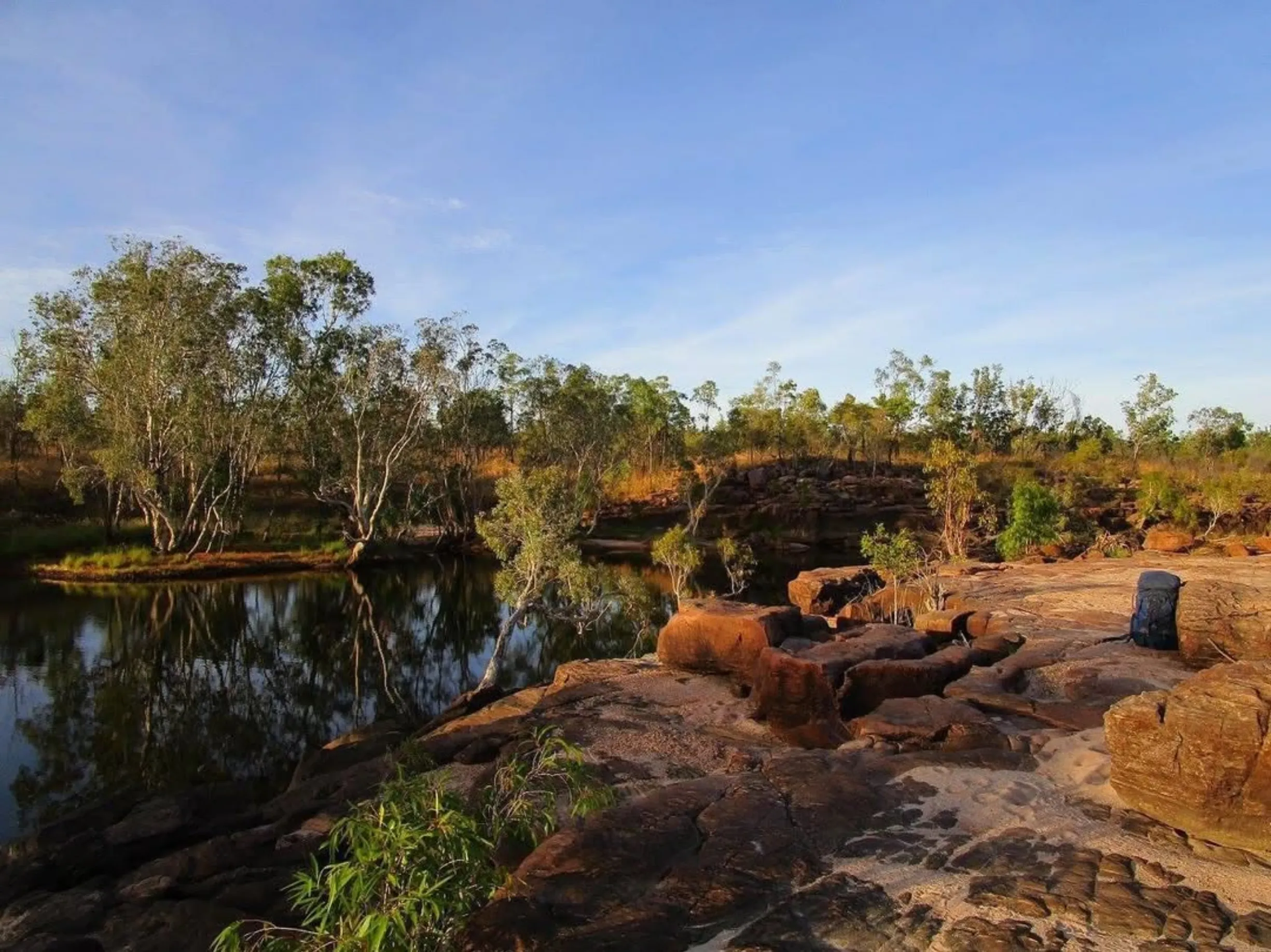
Kakadu has two distinct seasons: the wet season and the dry season. The wet season brings annual rainfall that floods the major river systems and wetlands, while the dry season is perfect for scenic flights and tourism.
Modern conservation efforts are focused on monitoring invasive species, native species and cultural sites. The park’s management also includes interpretive signage and conservation programs to educate visitors about Kakadu’s history, culture and ecology.
To see Kakadu’s waterfalls, wetlands and diverse wildlife, many people book Kakadu Day tours which provide guided insights into the park’s natural and cultural significance.
Conclusion
Kakadu National Park is not a man made creation, it’s a beautiful blend of nature and ancient human impact. While the landscapes were created by nature, the park has been managed by Indigenous Australians for thousands of years. Visitors to Kakadu can experience the wild and untouched nature and the deep cultural heritage of the traditional owners.
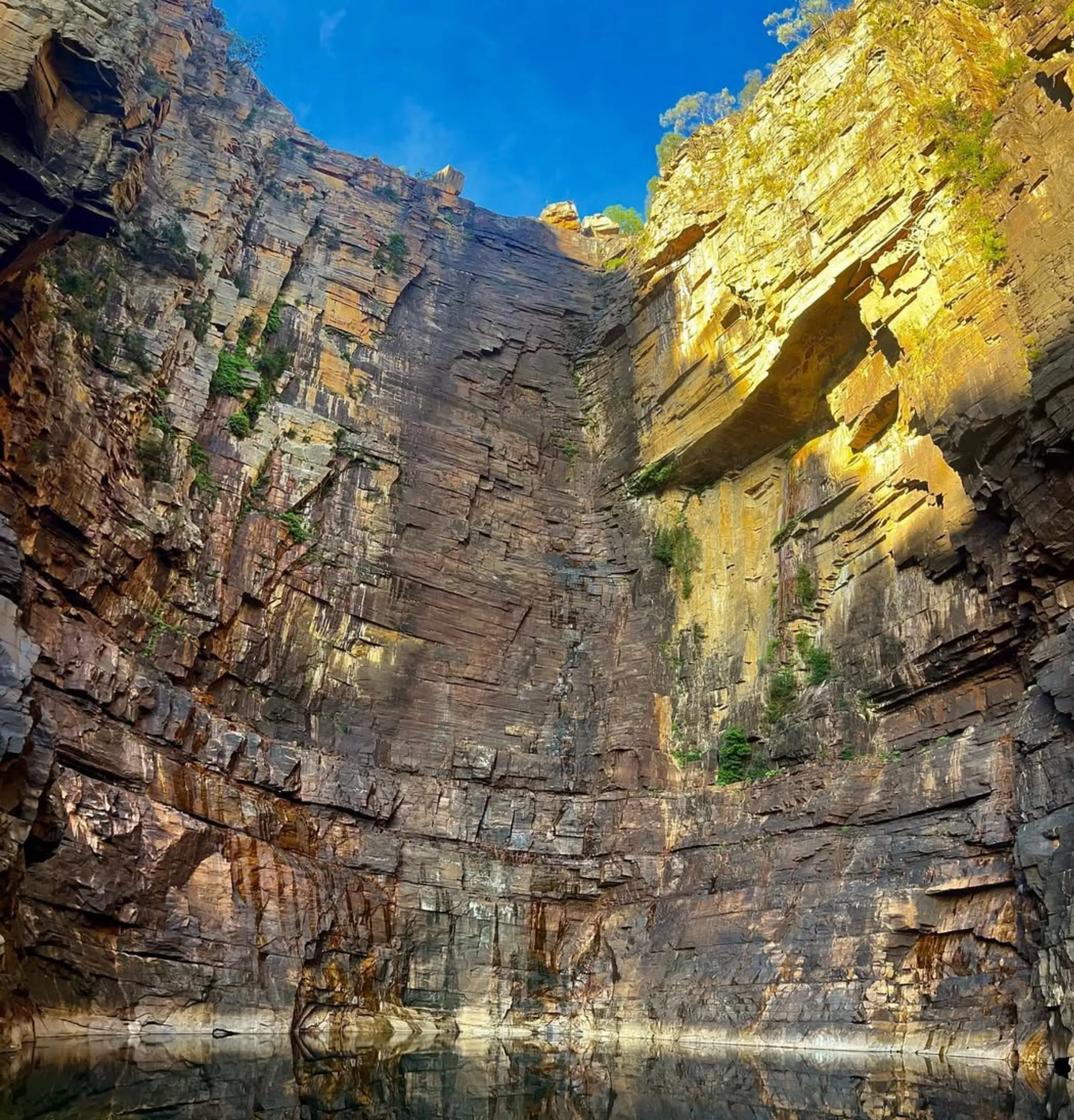
If you’re planning to visit this amazing place, please respect the land and learn about its rich Aboriginal heritage. Kakadu is more than a national park – it’s a living proof of the connection between people and nature, recognised by Environment Australia and supported by people like Jeffrey Lee who have played a big part in saving the park from uranium mining by Energy Resources of Australia.
FAQ
How do I get to Kakadu National Park from Darwin?
Kakadu National Park is 250km from Darwin. You can drive, book a 1 Day Kakadu tour from Darwin or take a scenic flight for a bird’s eye view of the park.
What is the best time to visit Kakadu National Park?
The best time to visit is during the dry season (May to October) when most of the park is open and wildlife is easier to spot. The wet season (November to April) is great for waterfalls and lush landscapes but some areas may be closed.
What wildlife can I see in Kakadu National Park?
Kakadu has a wide range of wildlife including saltwater crocodiles, Magpie Geese, land mammals, Australian bird species and fish species. The wetlands, billabongs and river systems are perfect for birdwatching and wildlife spotting.
Are there tours in Kakadu National Park?
Yes, there are many guided Kakadu National Park tours including Darwin Day Trips to Kakadu, Kakadu Day tours and 5 day Kakadu tours from Darwin that provide expert insights into the park’s cultural and natural wonders.
What are the top attractions in Kakadu National Park?
Top attractions are Jim Jim Falls, Twin Falls, Nourlangie Rock, Anbangbang Billabong, Yellow Water Billabong, South Alligator River and Arnhem Land escarpment. Each one showcases the park’s unique landscapes, culture and biodiversity.