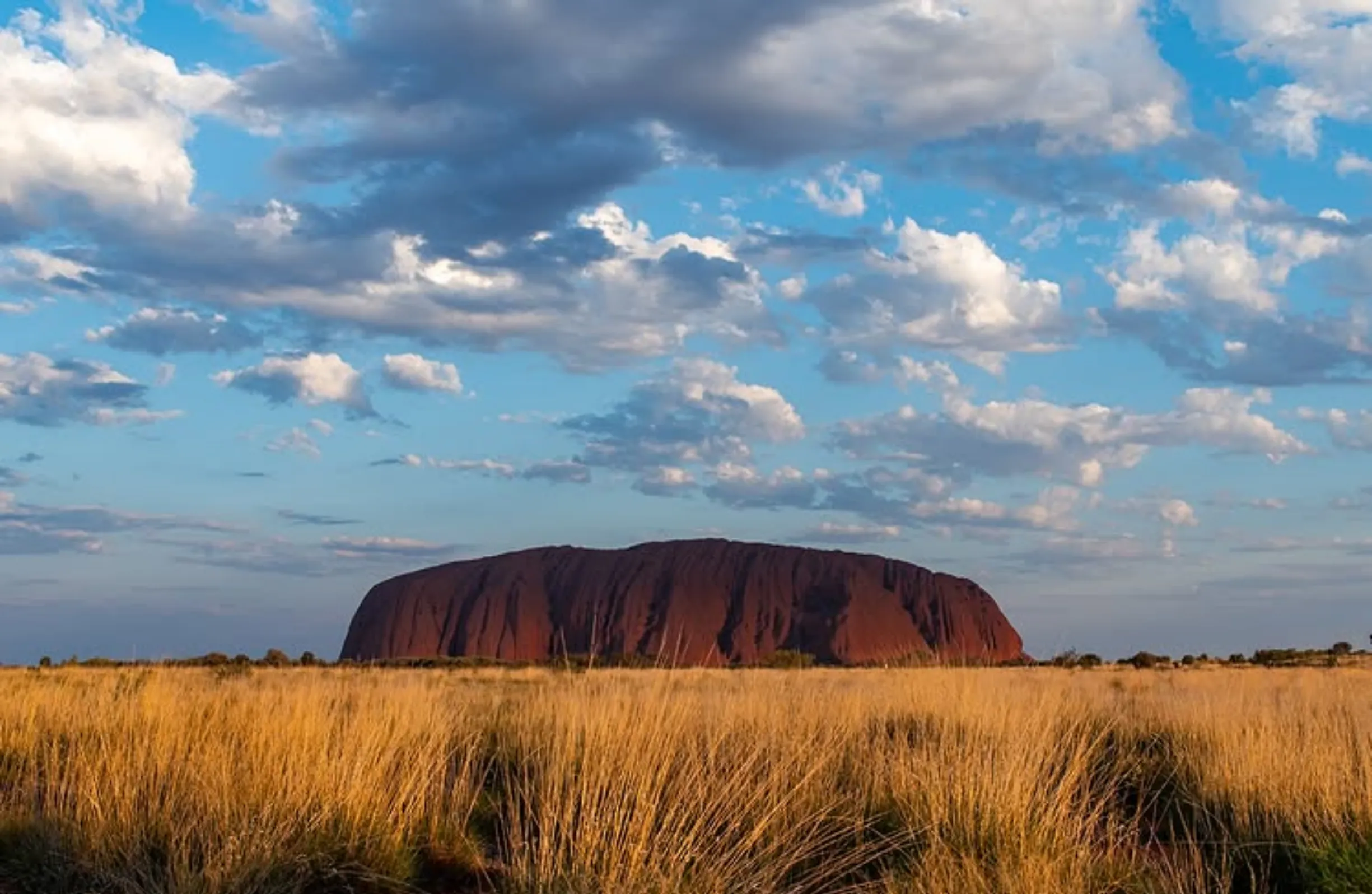
Ayers Rock, also known as Uluru, is more than a natural wonder – it’s a symbol of Australia’s ancient landscape, Aboriginal culture and connection to country. 348 metres above the desert floor and 9.4 kilometres around the base, this sandstone monolith sits in the heart of the Northern Territory’s Red Centre. As thousands of visitors walk around this amazing rock each year the question is often asked: Will Uluru ever disappear?
The Science of the Landscape
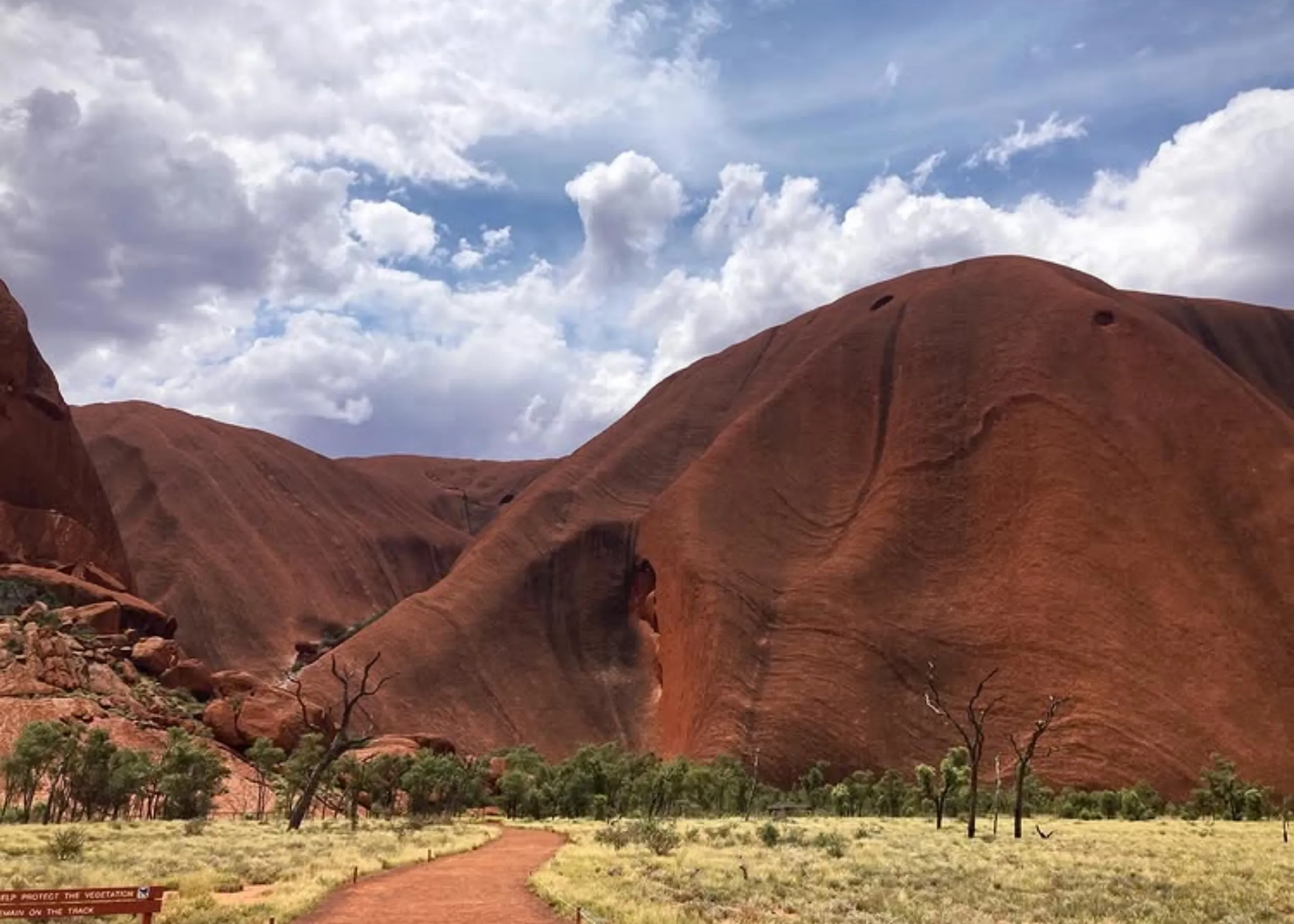
Uluru formed over 550 million years ago during a time of massive geological upheaval. Sediment from eroded mountains accumulated in an inland sea and was compressed into rock. Through tectonic forces this massive slab of arkose sandstone was pushed up and tilted and eventually emerged as the monolith we see today. Although it looks permanent and unmovable Uluru is slowly changing. Natural processes – wind erosion, rainfall and daily temperature fluctuations – are wearing it away. The result is a structure that has remained remarkably stable but is still evolving.
If you look closely at Uluru you’ll see fan shapes, crevices and valleys etched into the red surface. These weathering patterns are evidence of slow erosion, 0.3 millimetres per year. That’s less than a centimetre every 30 years. At this rate geologists think Uluru could remain standing for another 250 to 500 million years, unless something extreme happens.
Key Facts & Stats
To get a better understanding of Uluru’s resilience and significance here’s a quick summary:
| Feature | Details |
|---|---|
| Age | Over 550 million years |
| Height | 348 meters above the desert floor |
| Circumference | 9.4 kilometers |
| Erosion rate | 0.3 millimetres per year |
| Cultural custodians | Anangu people (traditional owners) |
| Park management | Joint management with Parks Australia |
| Climb closure implemented | October 2019 |
| Nearby attractions | Kata Tjuta, Kings Canyon, Alice Springs |
This table shows not only Uluru’s geology but also its cultural context, so you can see why it’s more than just a rock – it’s a living spiritual monument.
More Than Just a Rock
Uluru’s significance goes beyond its age or looks. It’s a sacred site for the Anangu people – the traditional owners of the land. To them Uluru is part of a living cultural landscape. The rock is embedded with stories, laws and ceremonial sites that form the basis of Tjukurpa, the foundation of Anangu culture and worldview.
The cultural importance of Uluru was formally recognised through a joint management agreement between the Anangu and the Australian government. Since 1985 the land has been owned by the Aboriginal owners and leased back to Parks Australia, a shared responsibility to care for the site. Park rangers – many of whom are Indigenous – work with conservation teams to look after Uluru’s ecological and cultural integrity.
A big moment in this partnership was the 2019 climb closure. For decades visitors were climbing the rock despite Anangu requests not to. Climbing Uluru was not only disrespectful to Aboriginal culture – it was also an environmental and safety risk. The closure was the result of years of talking, advocating and board meetings between park authorities and Indigenous leaders. It was a big step towards respecting cultural reasons and preserving sacred spaces.
Culture, Nature, Meaning
Uluru is the backbone of the Australian tourism industry but it’s not a theme park. Instead of thrill rides and commercialised attractions, the Uluru-Kata Tjuta National Park offers immersive, respectful experiences that connect visitors with Aboriginal culture, natural beauty and spiritual meaning.
Companies like Wayoutback Tours play a big part in shaping these experiences. They offer guided tours that introduce visitors to the area’s sacred sites, storytelling traditions and ecology. Nearby destinations like Kata Tjuta (The Olgas) and Kings Canyon add to the journey. These formations – each spectacular in its own right – are often part of multi-day trips that explore the whole of the Central Australian outback.
If you want to really get to know the region the Alice Springs Uluru tour is a popular option. Starting in the iconic outback town of Alice Springs this trip often includes several key stops such as the West MacDonnell Ranges before arriving at Uluru.
Want a full experience? The 3 Day Uluru Tour gives you time to explore Uluru, Kata Tjuta and Kings Canyon. These packages include guided walks, cultural interpretations and stunning sunrises and sunsets over the desert landscape.
Short on time? The Uluru 2 Day Tour is a great way to see the rock and learn about its cultural significance without the long commitment. Many of these tours focus on respect for the land and its Indigenous people and provide meaningful interactions with the environment.
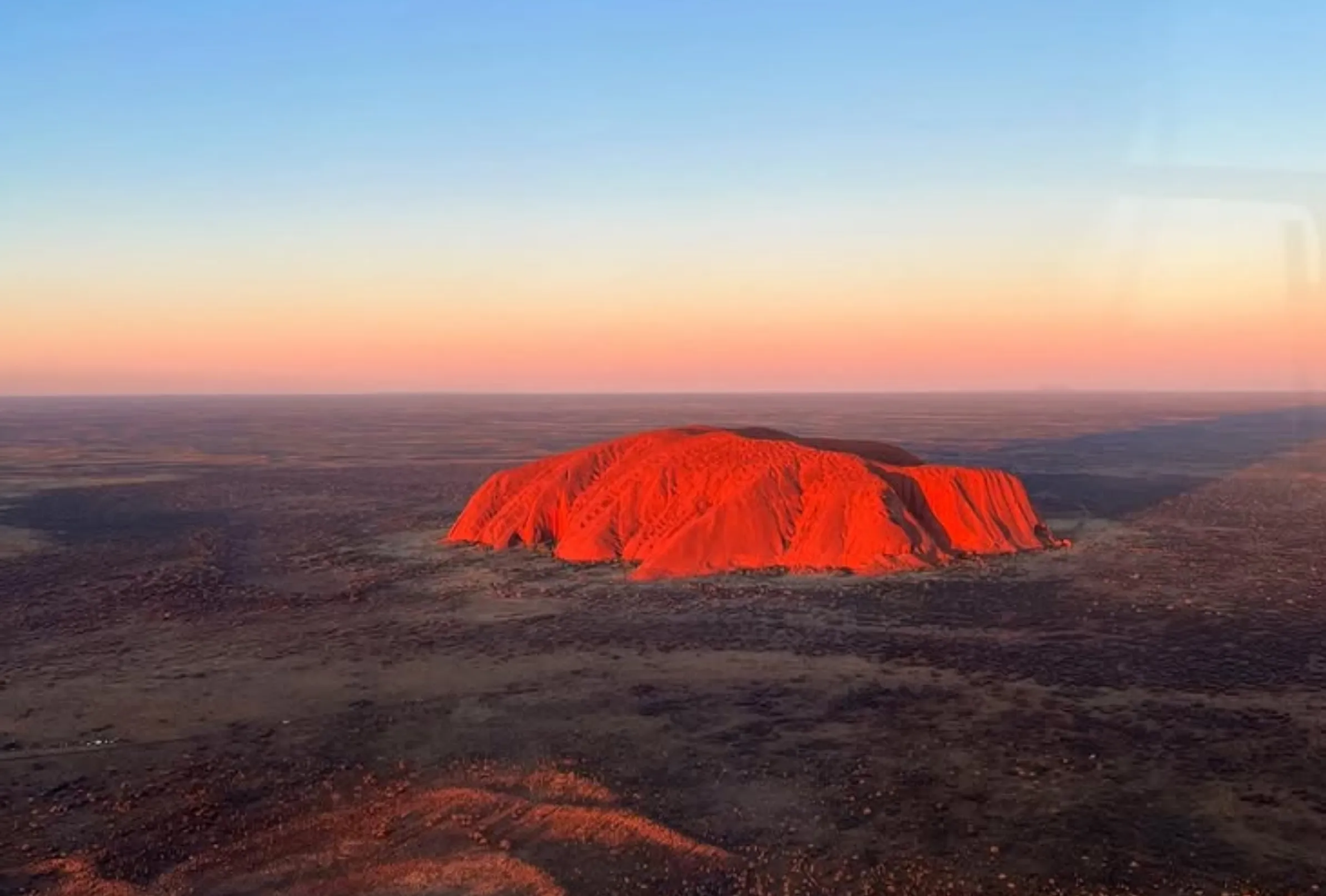
Tourists can expect more than sightseeing. From dawn walks to sunset viewings, bush tucker tastings to dot painting workshops, tours encourage genuine appreciation for Indigenous people and their way of life. Unlike typical tourist attractions these experiences invite reflection, learning and respect for cultural traditions that are lived every day by the Anangu community.
Nature, Time, Culture
The rock is eroding slowly due to its mineral composition, dense structure and arid climate. Unlike softer sedimentary rock that wears away quickly, Uluru’s arkose is rich in feldspar which breaks down slowly. There’s no persistent water flow to wear it down either. But Uluru is not immune to nature. Storms and desert rains cause surface changes over millions of years that could reduce Uluru to dust. But that’s a very long time. For all intents and purposes Uluru is just as impressive today as it was thousands of years ago.
A Living Cultural Monument
The Anangu people still teach park visitors about Uluru’s meaning. For them it’s not just a piece of land or a rock – it’s alive with ancestral presence and responsibility. The spiritual and moral lessons of Tjukurpa are passed down through generations and shared with outsiders under the right circumstances.
Joint management ensures tourism doesn’t overshadow cultural preservation. Through regular consultation and co-decision making the park is managed in a way that honours conservation science and Anangu law. This is a model for how natural sites of deep cultural significance can be protected and celebrated.
Uluru tours with experienced operators help maintain this balance. Wayoutback Tours for example include cultural briefings before entering sensitive areas and often hire local Indigenous guides. This helps guests understand mutual obligation – where visitors are welcomed into the space with respect and humility.
No matter which Uluru tour you choose the emphasis is the same – to honour the land and the people who have cared for it for tens of thousands of years.
Erosion or Endurance?
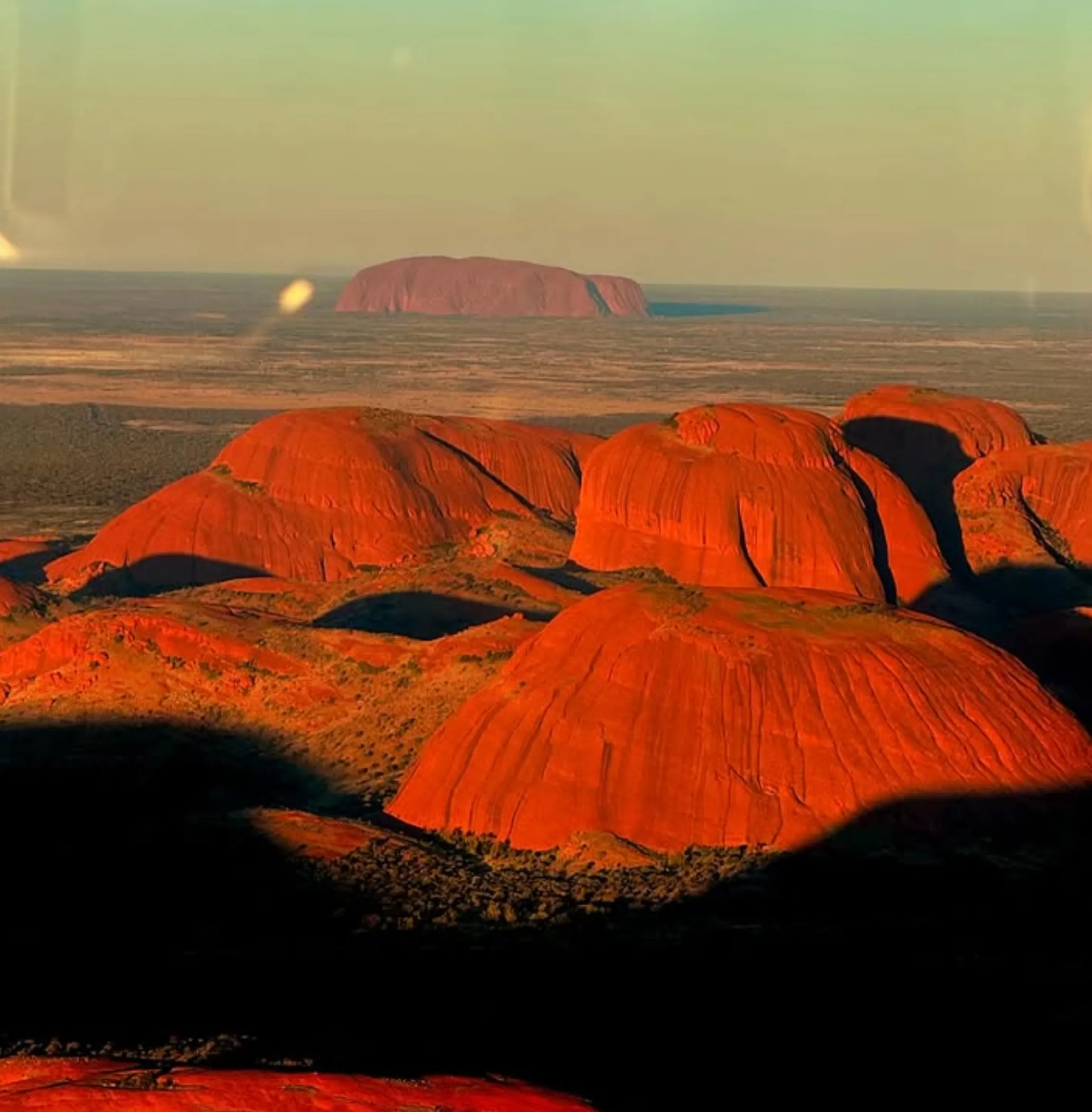
From a geological perspective all landforms erode and disappear over time. Uluru is no exception. But within human timescales it’s not going anywhere soon. As one of the most studied and revered landmarks in Australia Uluru will remain a central icon for many generations to come.
Its legacy is not just in its endurance but also in its message. Uluru teaches us about resilience – geological and cultural. It reminds us of the value of Indigenous knowledge, the importance of respectful tourism and the strength of partnerships based on trust like the joint management of the park.
Uluru may change physically but its cultural presence endures. As long as the traditional owners care for their country and visitors learn with open hearts Uluru will never truly disappear.
FAQ
Is Uluru shrinking?
Yes, but very slowly. Uluru erodes at 0.3mm per year through natural weathering.
What causes the erosion of Uluru?
Wind, rain, temperature changes and occasional desert storms. Its dense composition helps slow this process down.
What is the cultural significance of Uluru?
Uluru is a sacred site for the Anangu people. It represents their laws, stories and traditions. Cultural protocols are respected through joint management of the park.
What was the climb closure about?
The 2019 climb closure was for cultural reasons. The traditional owners asked visitors not to climb Uluru to respect its spiritual significance.
Can I still visit Uluru and nearby attractions?
Yes! Uluru, Kata Tjuta and Kings Canyon are open to respectful tourism. Wayoutback Tours offers guided tours that are based on Aboriginal culture and natural beauty.