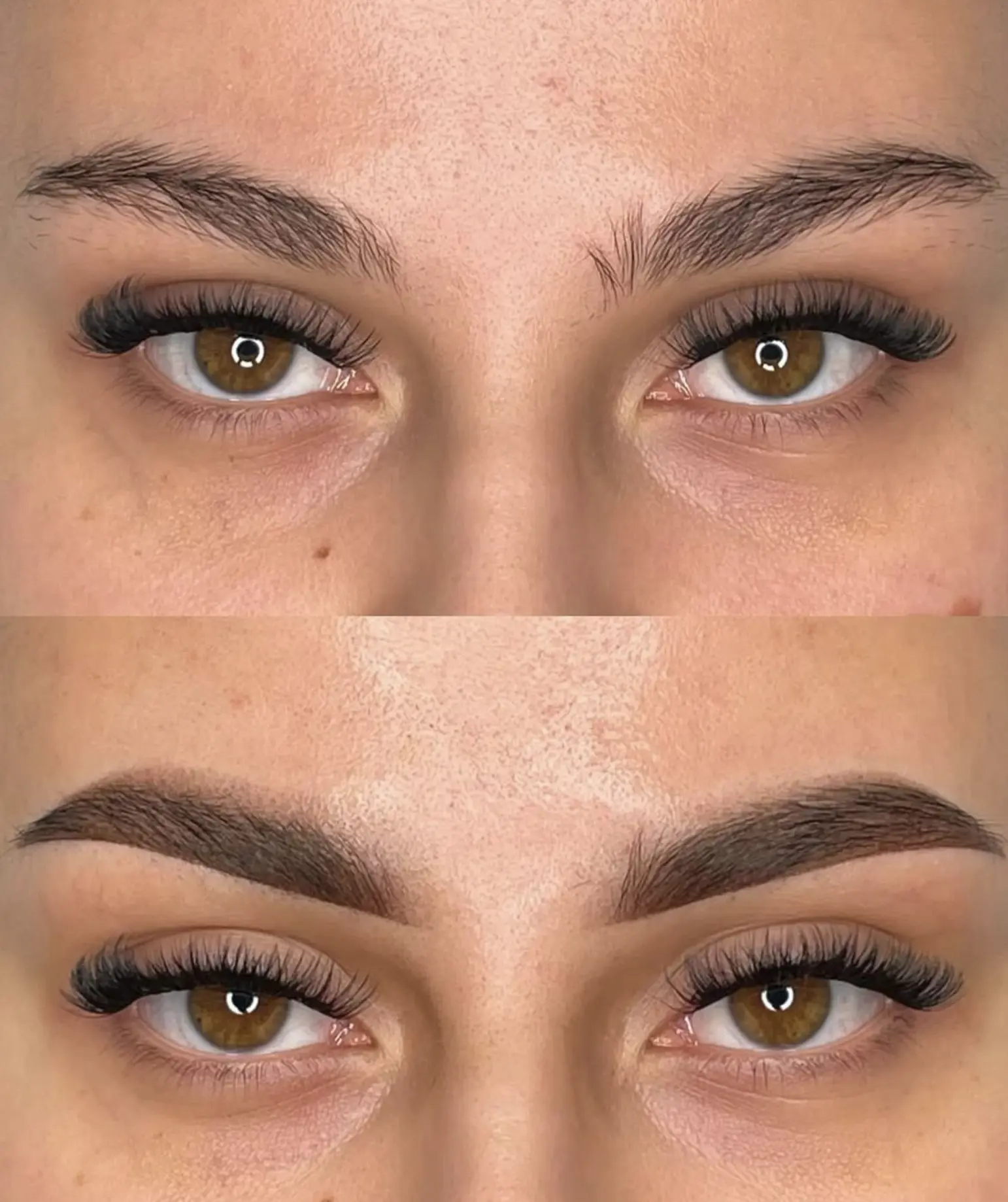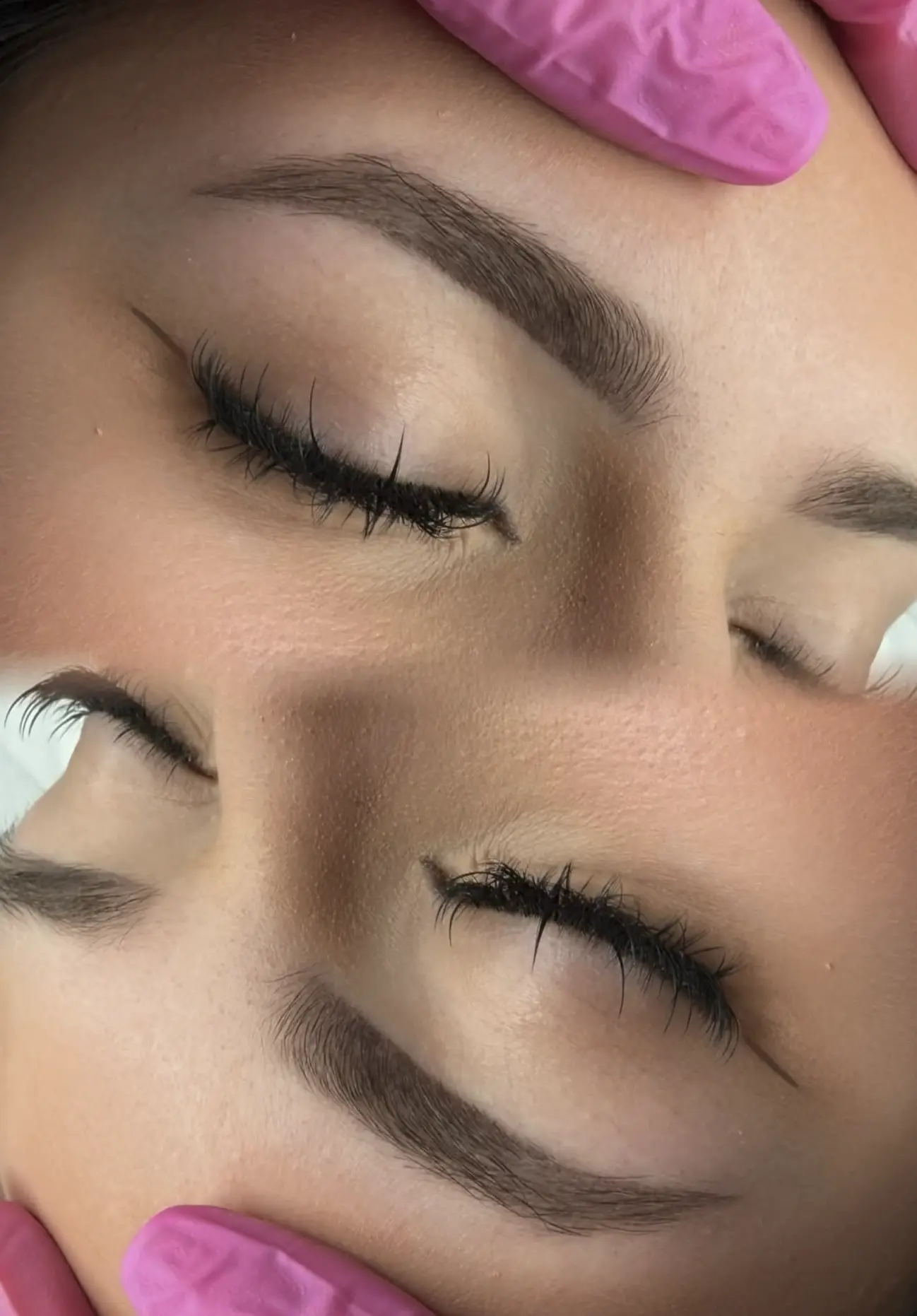
How to transition from microblading to nano-needle machine work? We get asked this question every day here at Cosmetic Tattoo Studio Brisbane Face Figurati, from seasoned artists looking to take their work to the next level without sacrificing that natural look and feel. And we should know – our team at Cosmetics Tattoo Studio Brisbane – that’s Uliana Kasperska and the crew – have been through this transition ourselves, having completed advanced cosmetic tattoo training across Europe and Australia.
The thing is, this isn’t just about swapping out one tool for another. If you want to get the best out of a nano-needle machine, you need to think about your whole approach – your technique, the pressure you’re applying, the depth you’re working at, and most importantly, how you understand the skin. It takes some adjusting, but once it clicks, your results are going to be way more consistent, last longer, and look far more natural on the people of Brisbane.
Why Artists Are Leaving Manual Brow Work
We all know that manual methods give you a sharp, fresh look at first. But it’s what happens after a while that really matters. Down here in the studio in Brisbane, we see it time and time again:
- Manual strokes that just blur on oily skin
- Fading that just isn’t even on skin that’s been exposed to the sun
- That early sign of scar tissue that just pops up after repeated work
It’s because manual methods are just so hard on the skin. That means they just don’t produce long-term results. But machine-based techniques, on the other hand, really take some of that trauma out of the picture – and let you put that pigment down where you want it, on even the most tricky skin types.
That’s why more and more artists are looking to take a cosmetic tattoo course or get the most out of their training with proper cosmetic tattoo training and deciding to pick up machine-based work for cosmetic tattoo course or getting the best out of their training with some proper cosmetic tattoo training much better results.
What Changes When You Move
Before you even think about making the switch, there’s one thing you need to remember: this isn’t just about using a new tool; it’s a whole new way of working.
Key Differences At A Glance
| Feature | Manual Method | Machine Method |
|---|---|---|
| Tool | Blade or handheld tool | Digital tattoo machine |
| Technique | Single-pass strokes | Layered hair stroke technique |
| Skin Impact | Higher trauma | Lower trauma |
| Pigment | Microblading inks | Professional tattoo ink |
| Skin Suitability | Limited | Works on most skin types |
| Healing | Less predictable | More even |
We always explain it simply to our students:
Manual work cuts into the skin. The machine works with pigment under control.
How To Retrain Technique Without Losing Confidence
This is the stage where even the most experienced artists feel like a complete beginner all over again – and that’s completely normal – in fact, it’s usually a sign that you’re learning something new.
1. Adjust Your Hand Movement And Pressure
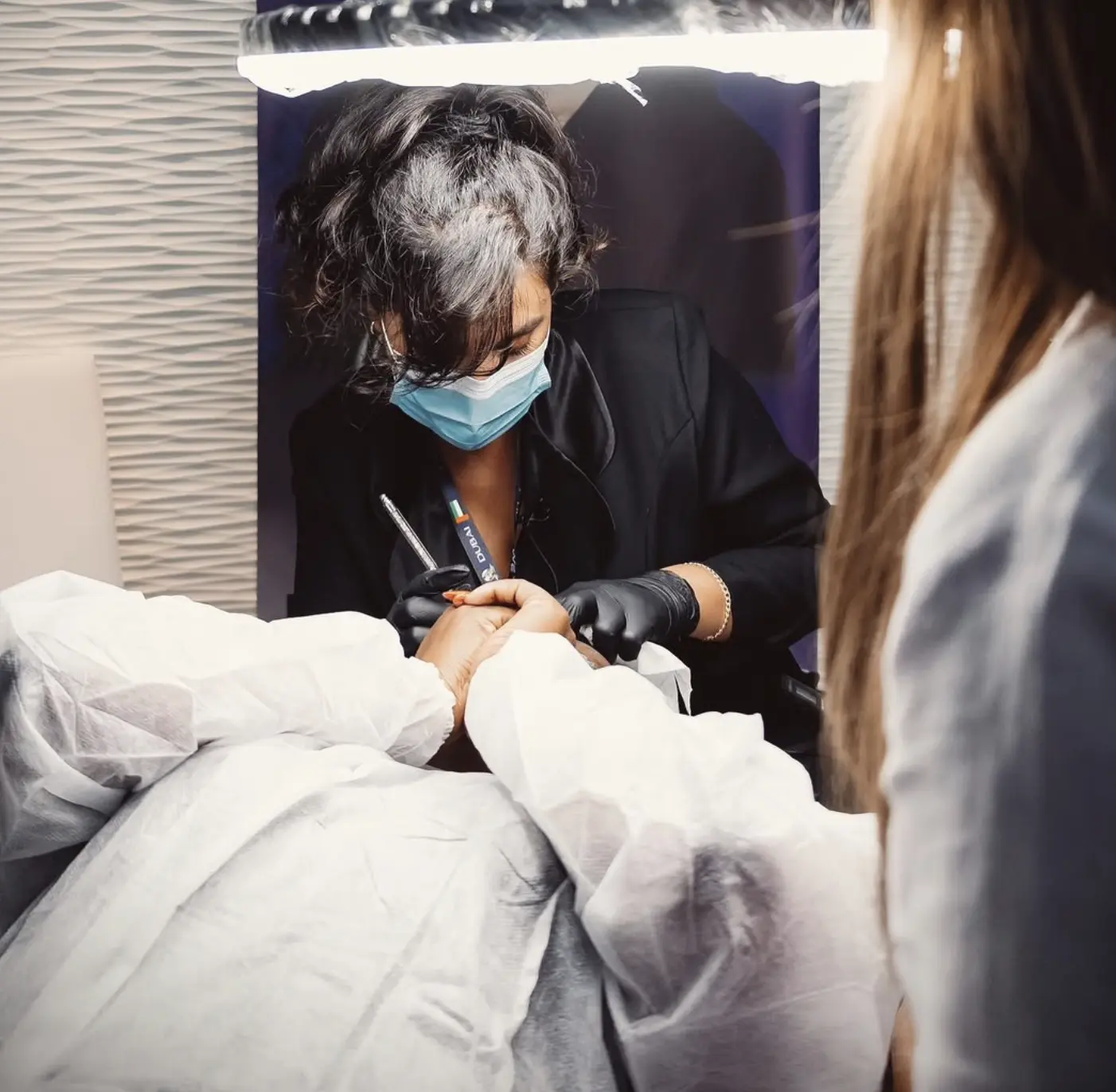
With manual techniques, it’s all about the pressure you apply and the way you drag the needle along. With a machine, the pressure is applied by the device itself, so your job is more about guiding the needle than forcing it.
Most artists who are used to using microblading tools, for instance, tend to press way too hard at first. And that’s just asking for trouble – it causes unnecessary trauma to the skin, and ends up resulting in heavy-looking healed results. First off, you’ve got to learn to relax your touch – take the pressure off.
2. Understand Depth And Skin Response
When you’re using a machine, you’ve got way more control over how deep the needle goes, but that also means there’s less room for messing up.
Working too deep can cause all sorts of problems – scar tissue and blurred pigment – while going too shallow just results in poor pigment retention. What you want to do is achieve a consistent pigment placement that supports the skin and keeps it healthy. It’s not rocket science, but it does take a bit of practice to figure out how the skin responds to the needle, and how to work with it – once you get the hang of it, though, your results are going to be way more predictable.
3. Change How You Build Strokes
This is where you really start to shift gears. When you’re using a machine, you don’t build strokes in the same way as you do with a manual tool.
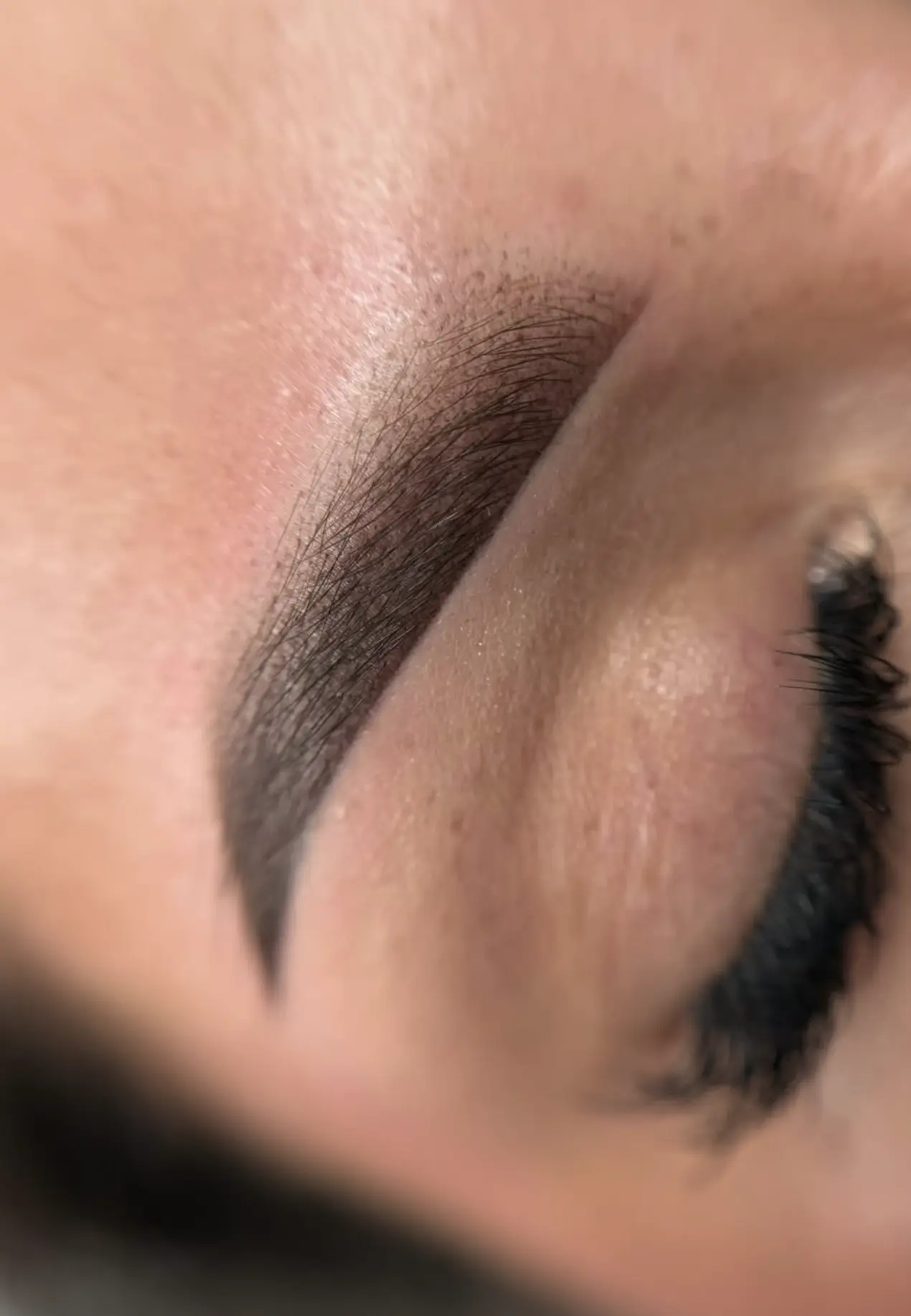
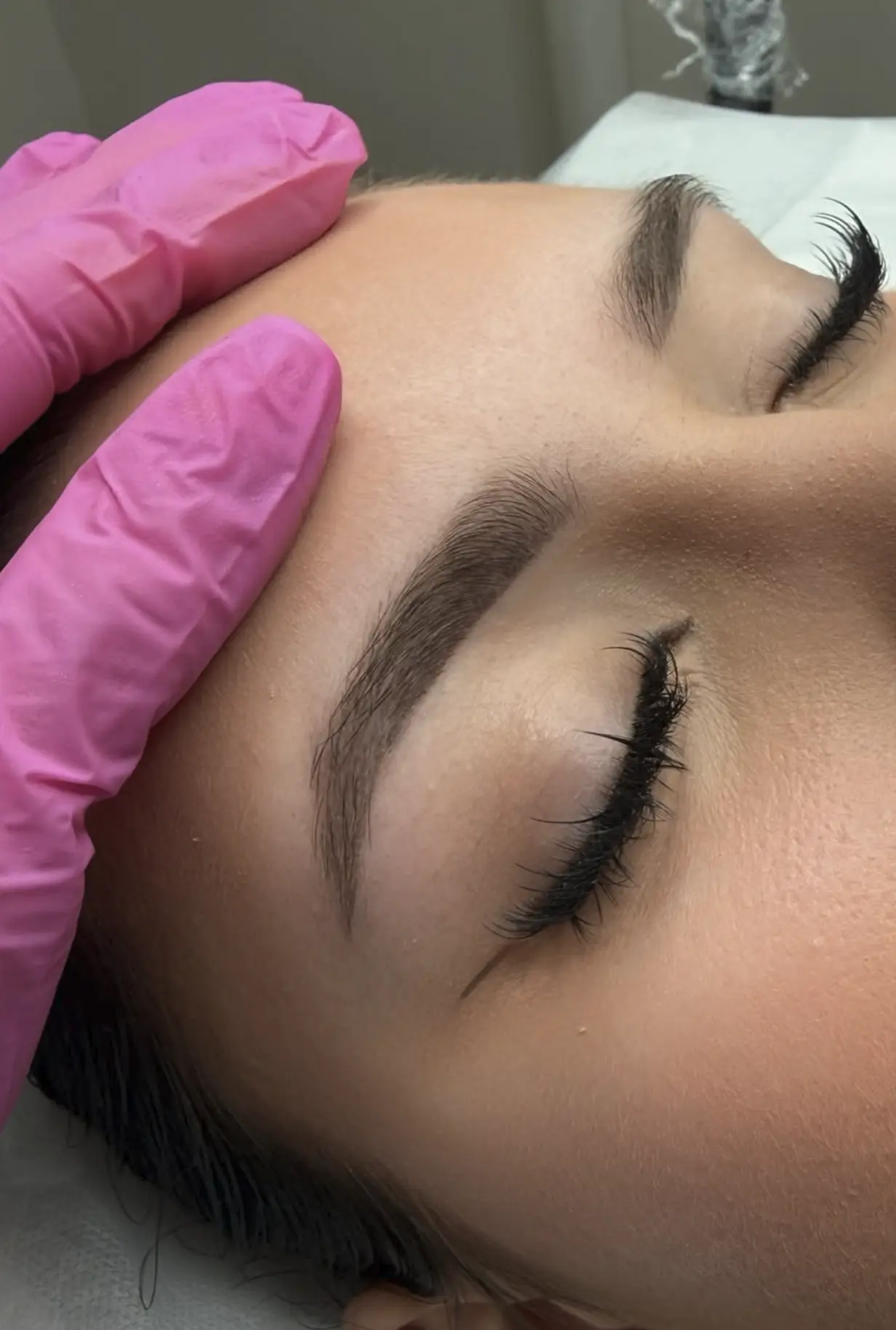
Instead of trying to knock out the whole stroke in one go, you break it down into layers – and that produces a softer, more natural look that just blends in better with the existing brow hair.
What we see a lot of artists trying to do is replicate those rigid microblading strokes with a machine – and that just ends up looking heavy and ugly. If you slow down and learn to build your strokes up gradually, though, you’ll be amazed at the difference it makes.
4. Set Up Your Equipment Properly
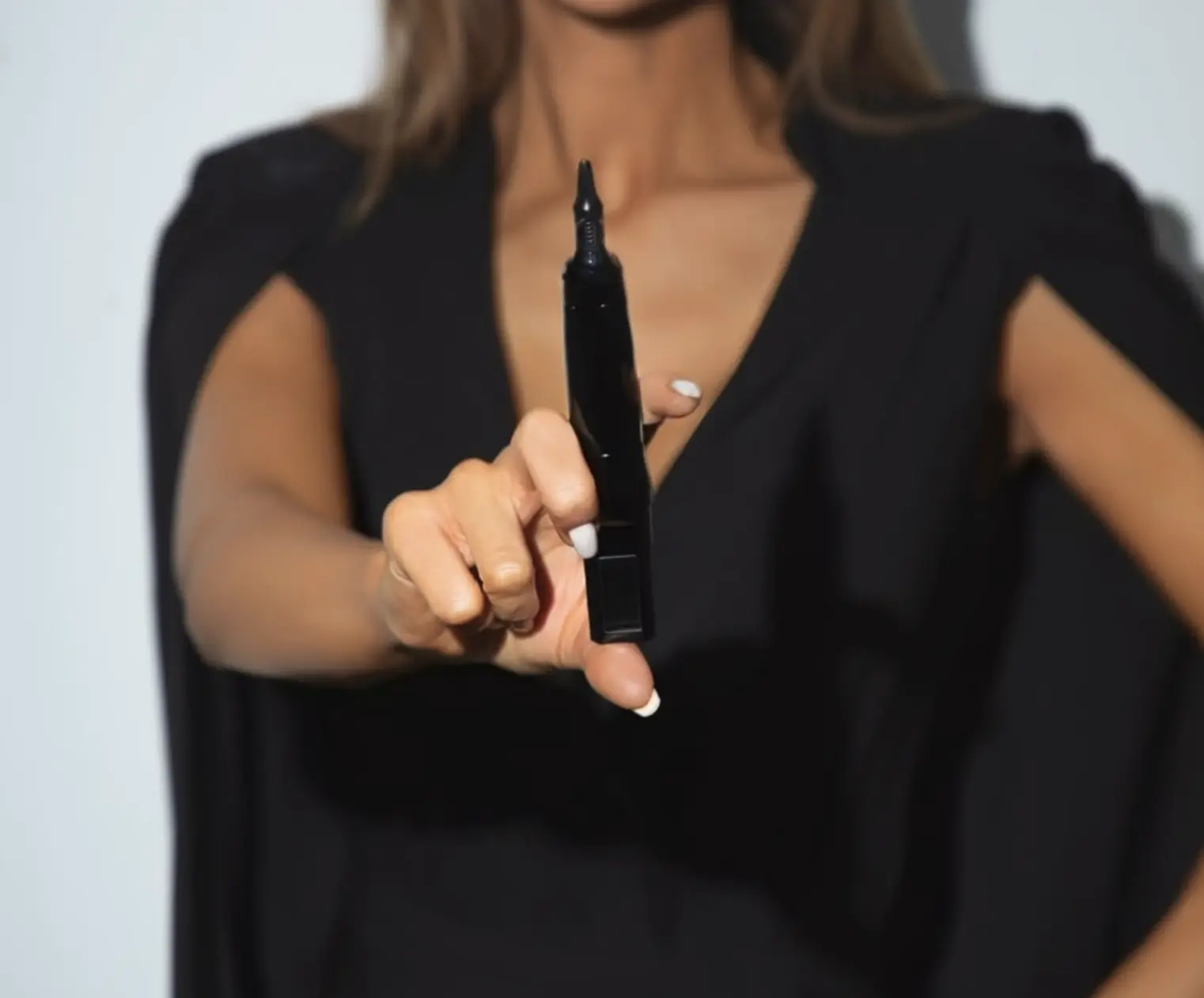
Your results are only as good as the equipment you’re using. So make sure you get a digital machine that’s stable and paired up with some ultra-fine needles – that gives you way better control and a smoother flow of pigment.
And don’t even get me started on the importance of getting good quality tattoo ink – and I mean really good quality stuff with stable iron oxides. That way, you get consistent colour and avoid all those nasty tone shifts that can end up being a real problem – especially when you’re working with different skin types.
5. Train Across Different Skin Conditions
Listen, skin type makes all the difference – from how well the pigment holds to how the skin heals.
We always recommend practising on a range of skin types before you start working on clients for real. You’ve got dry skin, combination skin, oily skin – each one behaves differently, and in a place like Brisbane where the humidity is so high, it can all go pear-shaped very quickly.
How Brisbane Climate Affects Your Results
The environment you work in is a lot more important than you might think.
Brisbane’s got some of the strongest UV exposure and humidity in the country – and that can affect both pigment retention and how the skin behaves. And on top of that, your clients are probably going to be out and about, burning off energy and sweating all over the place – and if you’re not careful, that can impact healing.
But the good news is that machine-based techniques are a lot more reliable in these conditions – so if you can get used to working with a machine, you’ll have an easier time getting long-term results that look the way you want them to.
Common Transition Mistakes
We’ve all been there – we’ve done this ourselves, and had to correct for it in other artists too.
What To Watch For:
- Pressing too hard – it’s a common mistake that can cause real problems.
- Overworking the skin – a bit of restraint can make a huge difference.
- Rushing through the process – good things take time.
- Ignoring skin differences – everyone’s skin is different, after all.
- Choosing the wrong type of pigment – get that right, and the rest just falls into place.
One of the most common issues we correct is clients getting over-saturated from too much, too hard work. The answer is, simply, to slow down and use a bit less pressure.
Safety, Hygiene, And Professional Standards
At the Cosmetic Tattoo Studio Brisbane Face Figurati, safety is the number one priority. Every single procedure we perform must put the client’s safety above all else.
We follow strict hygiene protocols, using single-use sterile cartridges, only approved pigments and full barrier protection – and all of this helps to prevent those nasty complications like skin infections and support a safe healing process.
A Real Studio Example From Our Brisbane Clients
We had a client come in who’d had some of her eyebrows done manually multiple times before. She was fed up – they were all blurry, uneven and had visible scarring.
Her main concern was that her brows just didn’t look natural anymore. We sorted her out using a machine-based approach, focusing on layering the pigment on nicely and gently, and getting the placement right. The result was a lot more balanced, with better retention and healthier skin all around.
This is just one more case that really reinforced why we stopped using manual methods for most of our clients.
What To Do Before Taking Your First Machine Client
It’s all about preparation.
Before You Start:
- Make sure you’ve done your training – and not just any training, but proper, structured cosmetic tattoo training.
- Get to know skin anatomy and how it behaves.
- Keep on practising – the more, the better.
- Get a feel for how your machine works and test out your pigment flow.
- And when you’re ready, review some real healed results – not just the day-after ones.
Some artists like to expand their skills by doing courses on things like fine line tattoos and lip blush tattoo courses – it really helps improve your control.
Aftercare Instructions That Actually Make A Difference
Even the best technique will go to waste if aftercare is ignored.
We keep our aftercare instructions as simple and clear as possible. So, you know – keep it dry, avoid sweating and don’t go in the sun, and don’t, whatever you do, pick at the skin. That’s it. It really does make a difference.
Final Thoughts: Is This Transition Worth It?
If you’re serious about growing as a cosmetic tattoo artist, this transition is one of the most valuable steps you can take.
Machine-based work gives you so much more control, better results and more flexibility when it comes to working with different clients. And it means you can work in a way that supports the skin’s long-term health, rather than compromising it.
From where we’re coming from as Uliana Kasperska and the team, making this shift not only improved our results but also the trust our clients put in us every single day.
FAQ
Is machine work suitable for all skin types?
Yeah, especially for clients with oily or mature skin – manual methods can really struggle with those.
How long does it take to get confident?
Most artists need a few weeks of consistent practice – it takes time to get the hang of it.
Do old skills carry over?
Your eye for shape is still useful, but your hand technique needs a bit of retraining.
What pigments are best to start with?
Go for stable, professional pigments with iron oxides that match your client’s undertones.
What’s the cost of upgrading?
It really depends on what you need, but there are some tattoo removal training cost associated with upgrading.