Thinking you can just legally work in Australia after completing microblading training? You’re definitely not the only one, and this is a question I get asked more often in my Melbourne studio than any other – apart from, of course, “can I get a fluffy brow?”
But let me put your mind at ease from the get-go: yes, you can indeed work in Australia after finishing your microblading training, but there are some local council rules you gotta comply with – like those all-important rules on skin penetration, hygiene practices, getting your Infection Control certification, and keeping your workplace safe. And trust me, training alone doesn’t automatically give you permission to grab those microblading tools and start tattooing eyebrows for paying clients – a lot of beginners get caught up in this.
Legal Basics Before You Start Working
Starting out in permanent makeup is pretty thrilling – you’ve finished your training course, your microblading kit is all set up and ready to go, you’ve had a go at practising on live models, and you’re itching to create your first set of brows. If you did an eyebrow microblading course with Olha Po, you’ll have a solid foundation in skin anatomy, colour theory, picking the right pigment and all the safe cosmetic tattooing techniques – but don’t forget that having the skills and being legally allowed to do the job are two very different things.
Here’s the key bit: in Australia, public health laws treat microblading as a form of cosmetic tattoo, which means you fall under those body art and skin penetration regulations.
And that’s why every eyebrow tattoo artist – whether you’re certified or not – has to be up to speed on:
- Infection control certification (and actually having it up to date, too)
- Getting the local council permits for doing any kind of skin penetration procedure
- Having a treatment space that’s fully compliant
- Following all the right hygiene protocols and getting rid of your sharps safely
It doesn’t matter if you use a manual blade or a digital machine – if you’re puncturing skin and putting pigment in, you’re doing a cosmetic tattoo. And because different skin types, skin undertones, and even what pigment you choose can influence how your clients heal, councils expect you to know the safety implications behind every single stroke.
This system isn’t there to slow you down; it’s there to protect the public. And once you get the hang of it, it all becomes pretty straightforward.
What Councils Really Need From PMU Artists
Down in Melbourne and right across Australia, councils are getting serious about hygiene, safety and stopping the spread of infections. They don’t care if your eyeliner is perfect or your brow shape is spot on – they just need to know you’re taking care when it comes to skin treatments in your own studio.
Here’s what you’ve got to get sorted before you start taking on paid clients:
1. Scores On Infection Control
This is the one thing that’s essential to get right. Sure, you’ll get taught the basics of tattooing as part of your PMU training, but learning how to keep yourself and your clients safe from infection is just as important. Depending on where you live in Australia, you may need a certification that covers things like:
- Safe handling of needles
- Dealing with blood and other bodily fluids
- Keeping your studio clean and tidy
- Understanding skin anatomy and where the risks lie
Most students pick up HLTINF005 or something similar before going in front of the council.
2. Getting Your Studio Registered
Whether you work from home, rent a room in a salon or have your own studio, you’ve got to get the space approved for doing skin penetration treatments.
Inspectors from the council will be checking things like:
- Are you following proper hygiene procedures?
- Is there a sink and a proper handwashing area where you can keep clean?
- Are you disposing of waste properly?
- Are your flooring and surfaces up to scratch?
- Is your treatment room set up to keep everyone safe?
- Are you following proper sterilisation routines?
It’s pretty detailed because, let’s be honest, eyebrow microblading is basically a form of tattooing – just a smaller, more subtle one.
3. The Run-Of-The-Mill Business Stuff
You’ll probably need to get:
- Public health registration sorted
- Get a handle on Workplace Health & Safety compliance
- Sort out a planning approval if you’re working from home
- Register your business
- Get some professional indemnity insurance to cover yourself in case things go wrong
- And, if you’ve got staff, you’ll need to sort out workers’ compensation
These aren’t just add-ons for PMU artists – they’re just the basic requirements for anyone working in a field that involves skin penetration.
A Quick Look At Industry Requirements Across States
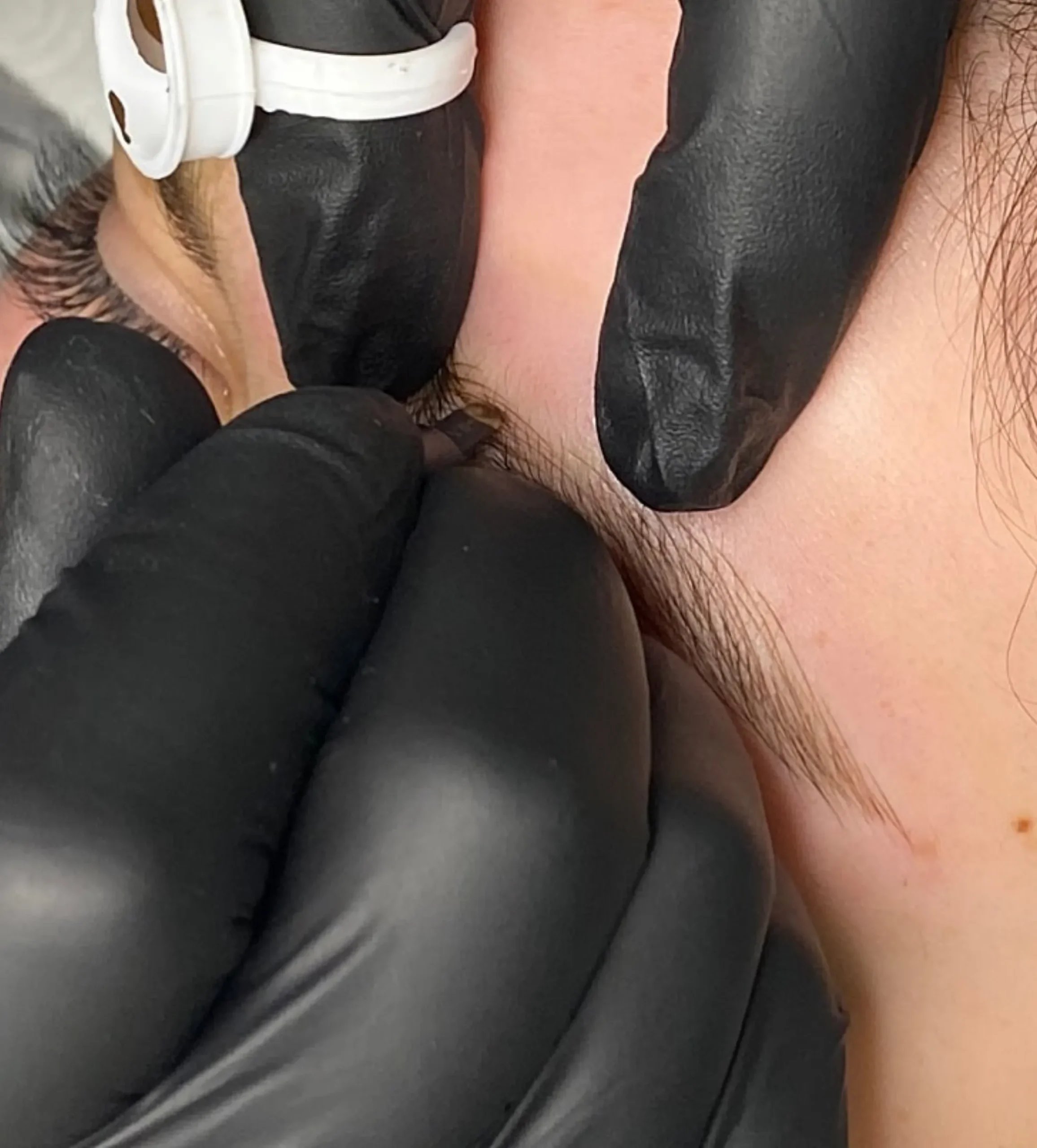
Below is a simplified comparison of how state-based systems handle the legality of cosmetic tattoos.
Table: State-by-State Requirements for Microblading Artists (2024 Data)
| State / Territory | Infection Control | Premise Registration | Notes |
|---|---|---|---|
| VIC | Yes | Yes | Strict council hygiene standards are relevant for all brow tattoo and permanent makeup services |
| NSW | Yes | Yes | Focus on sharps, disinfectants, and hygiene protocols |
| QLD | Yes | Yes | Clear public health laws around skin penetration |
| WA | Yes | Yes | Council inspections are detailed and documentation-heavy |
| SA | Yes | Yes | Strong alignment with tattoo industry standards |
| TAS | Yes | Yes | Straightforward but thorough compliance pathway |
| NT | Yes | Yes | Must follow the Public & Environmental Health Act |
| ACT | Yes | Yes | Waste disposal and infection control are closely assessed |
Across Australia, compliance is built on public health laws and expectations.
Why Training Won’t Automatically Licence You
This is the bit that catches most new artists out – a certification from your training course shows you’ve picked up some skills, but it’s not a magic get-out-of-jail-free card when it comes to tattoo licences and council permission to operate.
Think of it like this:
- So you’ve got the right skills, that’s number one
- You’ve also got the proper safety training, which is number two
- And you’ve got all the right documentation, that’s the third bit
You need all three.
At Face Figurati, I’ve seen students come out of training with fantastic skills in eyebrow tattooing, including choosing the right pigment and understanding facial anatomy, but still need the council’s okay before they can start working with clients. Your technique may be spot-on, your pigment theory may be perfect, and your skin tone analysis may be dead on – but without all that legal bit sorted out, you can’t start raking in the cash from cosmetic tattoos.
Do International Students Face Different Rules?
Short answer: your visa is what lets you work, not how good a beauty artist you are.
International students can work on practising their cosmetic tattoo skills on live models, but first, they need to check a few things:
- Are they allowed to get paid?
- Do they have any restrictions on hours?
- Are they still meeting all the same safety standards as the local artists?
A training cert does not get around those visa restrictions.
If you’re on a student visa (500), you can do some paid work in the beauty industry as long as you’ve ticked all the legal and safety boxes. If you’re on a tourist visa? No, you just can’t work, even if you think you might be the next microblading rock star.
How Long Does It Take to Be Work-Ready?
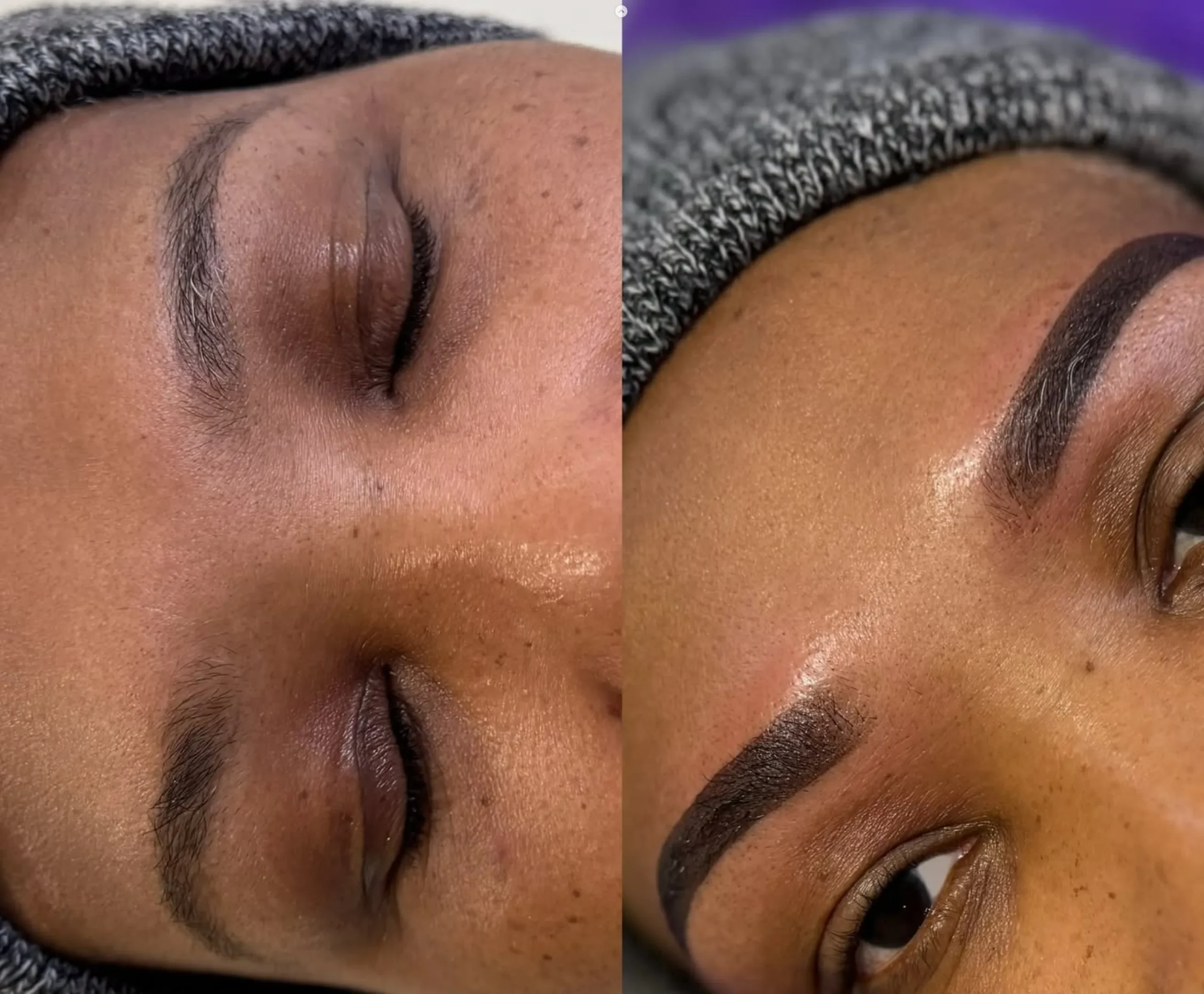
Here’s how long most Melbourne-based artists have to do all this:
- Do the training – 2–5 days
- Sort out your Infection Control cert – just a day or several weeks
- Get your room all set up – compliant, not DIY – 1–2 weeks is a good guess
- Get your council application in – a week or four, who knows?
- Get all the insurance and legal paperwork in order – in a couple of days
Most students are legally up and running in about 4–6 weeks, though some can speed things up a bit.
Common Mistakes New Artists Make
Here are the pitfalls I see most often:
- Working from home without permission from the council
- Using up all the good microblading tools without so much as washing your hands
- Not getting the right insurance to cover you in case things go wrong
- Overlooking the proper way to get rid of sharp objects
- Thinking that eyebrow tattooing is exempt from those safety regulations, just because it’s only on the face
Good intentions and all that, just won’t cut it – you need to do it right.
Why Doing It Right Pays Off
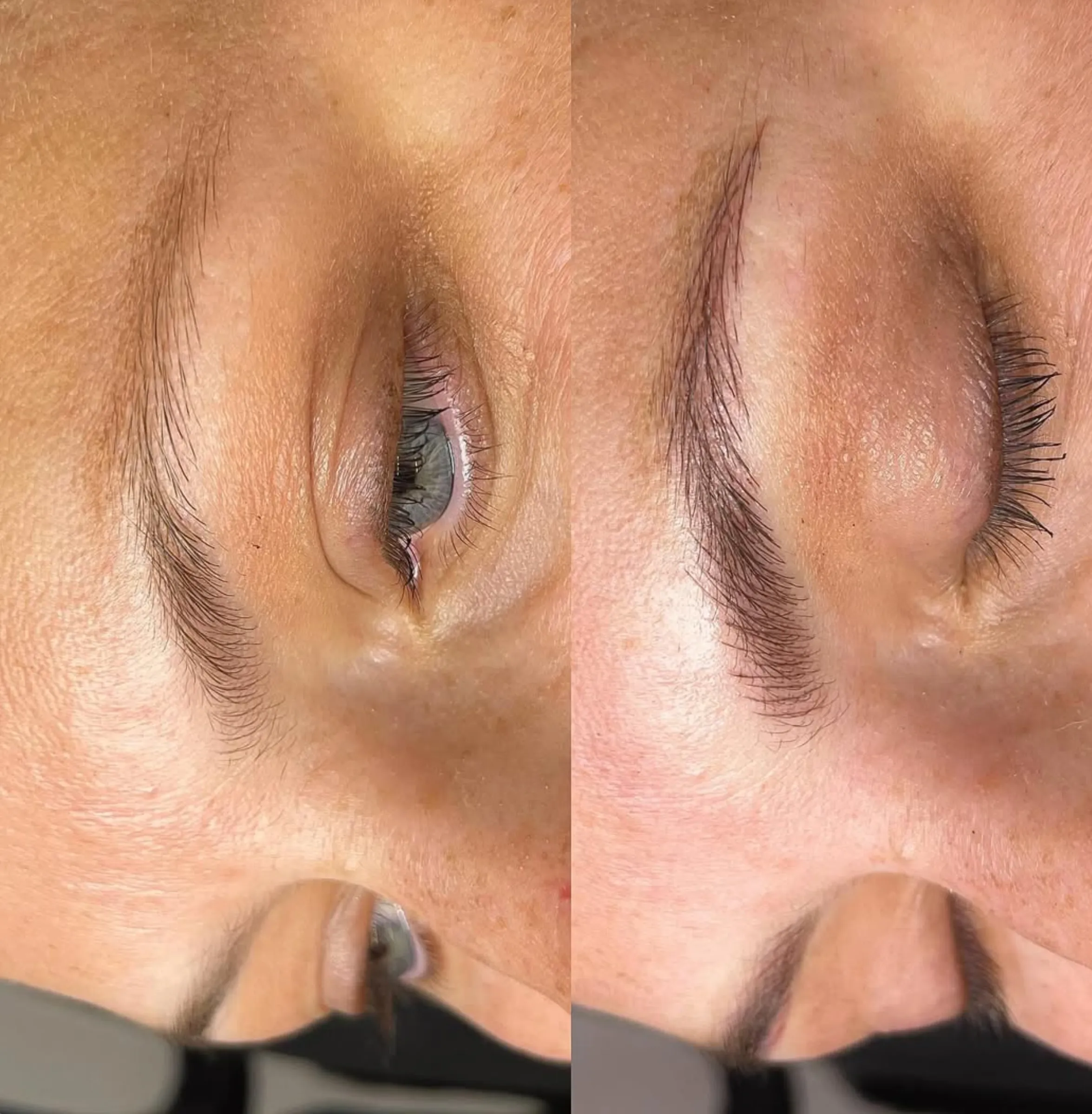
Working within the law makes a huge difference to how people perceive you in the world of cosmetic tattooing. And trust me, in our industry, having people put their faith in you is the key to a successful business.
Clients instinctively look for that extra layer of assurance that comes from working with a legit artist, and it boils down to a few key things – a spotless record of hygiene protocols, top-notch equipment and supplies, a real understanding of the skin and the right tools to work with, proper insurance in place, and of course, a commitment to upholding the highest standards of professionalism.
I get told all the time by clients who come to Face Figurati looking to correct previous work, “The last artist wasn’t registered”, and that’s the kind of reputational risk no one wants to be on the wrong end of.
Getting your ducks in a row from day one sets you apart in a crowded market like Melbourne’s beauty scene – and it’s worth it.
FAQ
Is microblading actually considered a form of tattooing under Australian law?
You bet – it’s treated as a cosmetic tattoo and falls under the same regulatory umbrella as other skin penetration services.
Can I just work from home as a microblading artist?
Yes, but you need to register your home treatment room with the council and make sure you tick all the right hygiene boxes.
Do I really need insurance before taking on clients?
You absolutely do – and you need to make sure you’re covered for both professional indemnity and public liability.
Does my microblading certificate automatically qualify me for a tattoo licence?
Unfortunately, no, you still need to get approval from the council and complete your Infection Control training.
How on earth do councils check if artists are complying with the rules?
They’ll take a look at your treatment room, your equipment, your legal paperwork, how you clean and disinfect, and how you handle waste.